News
Insights into our research, awards, publications, and special moments from the lab.
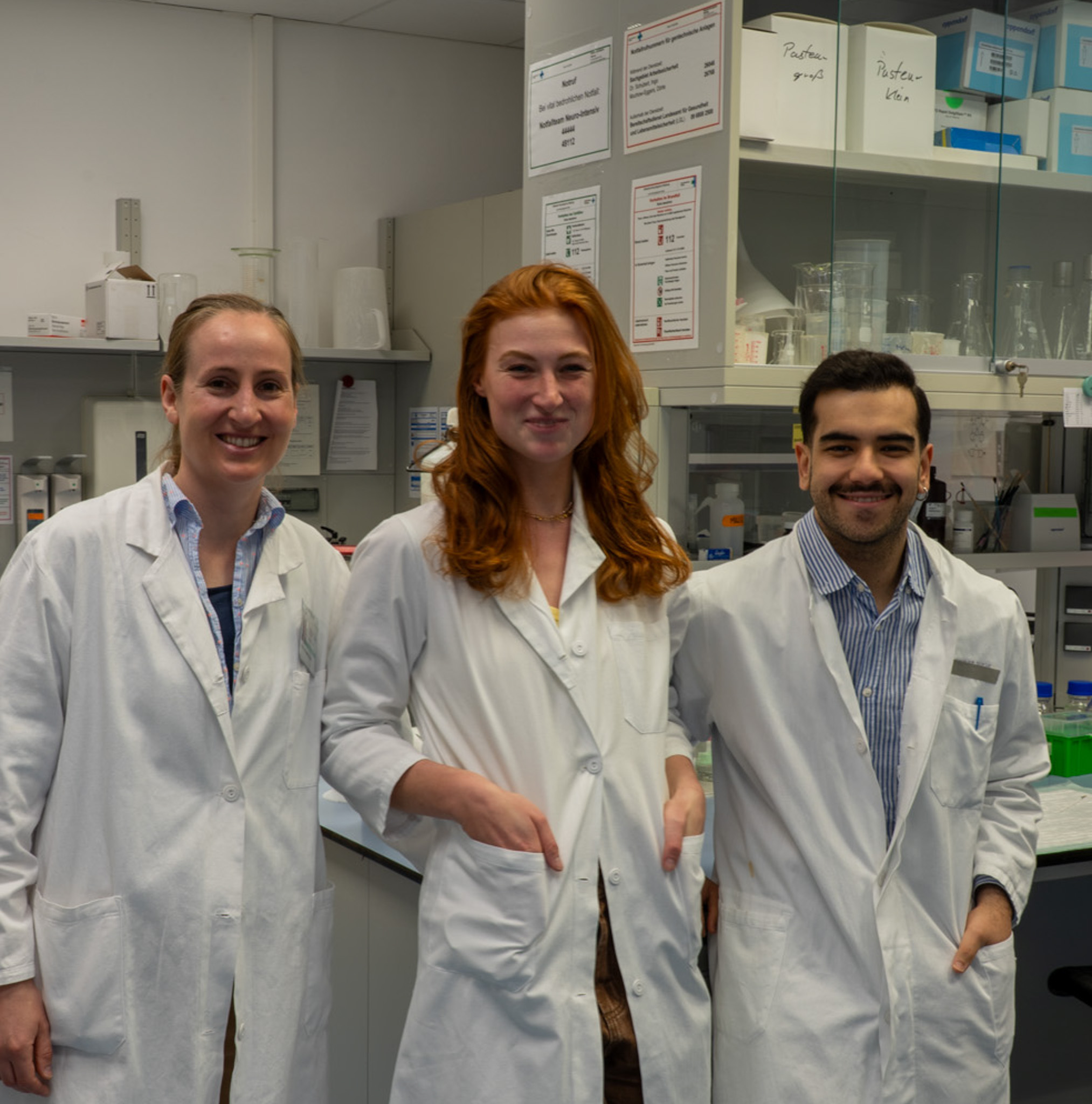
Summer Student Fellowship from the Parkinson’s Foundation for Lisa Steger
Lisa Steger has received a Summer Student Fellowship from the Parkinson’s Foundation. The fellowship is endowed with 4,000 US dollars and supports a ten-week research project in the field of Parkinson’s disease.
In her project “Decoding the Role of GBA-E326K in Astrocytes in Synucleinopathies”, she investigates the role of the GBA-E326K variant in astrocytes. Astrocytes are important glial cells in the brain whose contribution to Parkinson’s disease is still less well understood.
The project focuses on whether changes in the lysosomal function of these cells can influence the processing and potential spread of α-synuclein — a protein that plays a central role in Parkinson’s disease.
Congratulations on receiving this fellowship!
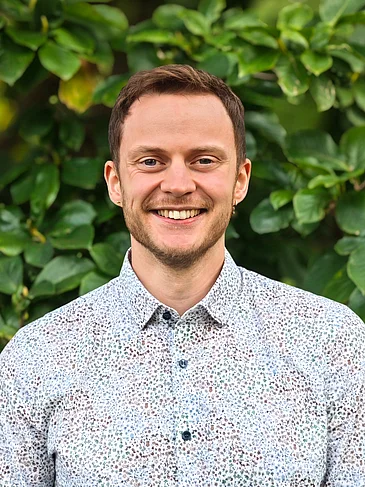
STAEDTLER Foundation Supports Early-Career Researchers
Former doctoral researcher receives prestigious PhD award.
Since 1999, the STAEDTLER Foundation has honored outstanding early-career researchers at the Friedrich-Alexander-Universität Erlangen-Nürnberg (FAU) through its prestigious doctoral award program.
The award recognizes exceptional doctoral achievements and is accompanied by prize money of €3,500 for each recipient.
Awardees are nominated by their respective faculties, and the STAEDTLER Foundation recognizes excellent academic work across all disciplines.
In recent years, doctoral theses from fields including chemistry, medicine, philosophy, law, engineering, theology, and economics have been honored.
Congratulations to our former doctoral researcher on receiving this distinguished recognition!
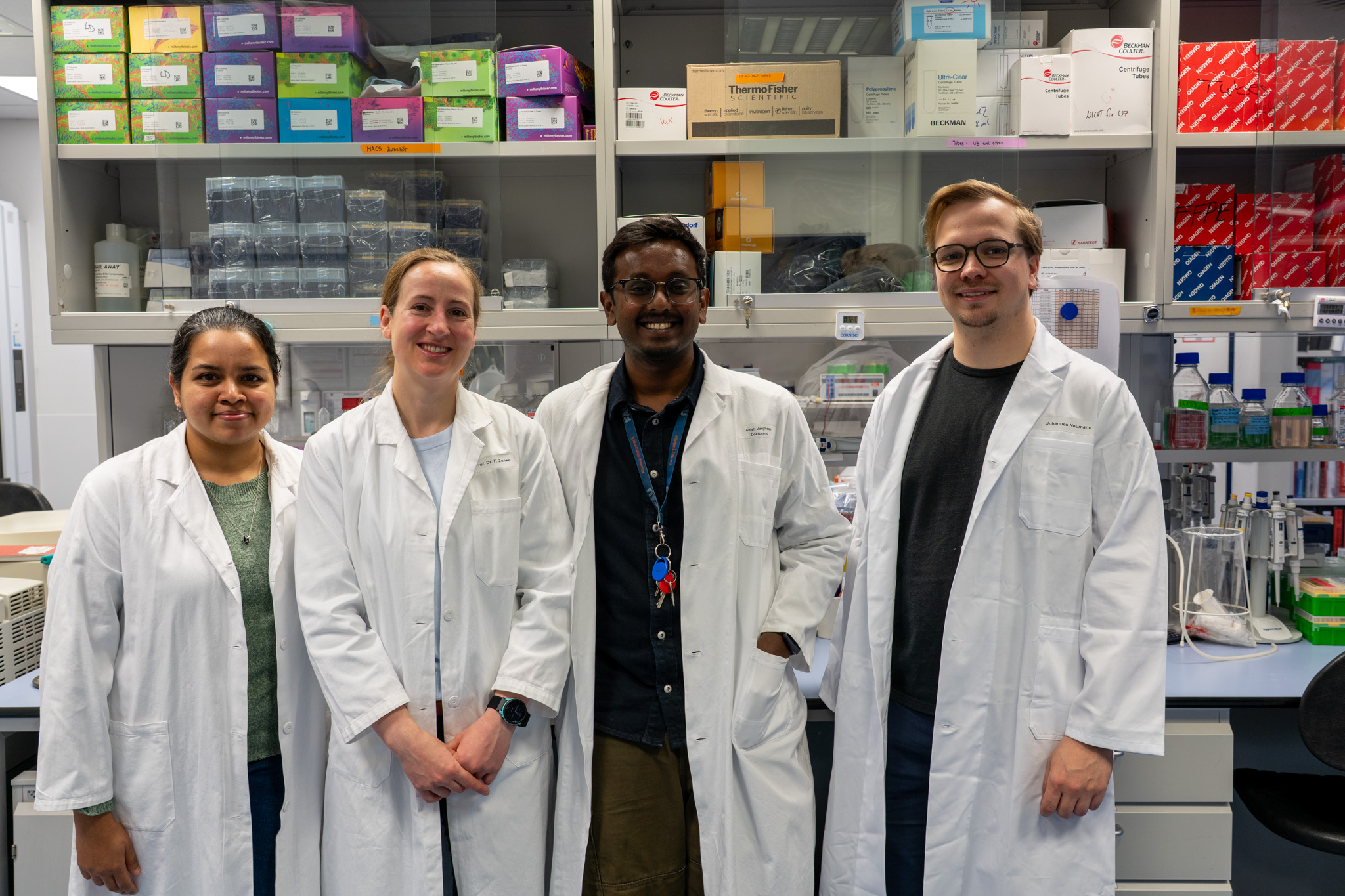
Prestigious Funding for Innovative Research Project on the Neurodegenerative Disease MSA
A pioneering research project at the Department of Molecular Neurology has been awarded an Exploration Grant by the Boehringer Ingelheim Foundation.
The project is led by Prof. Dr. Friederike Zunke, Professor of Translational Neuroscience. It focuses on investigating poorly understood mechanisms of the rare but severe neurodegenerative disease multiple system atrophy, or MSA.
The research project, titled “Lysosomal Membrane Mechanics and Lipidomics: Uncovering Mechanisms of Multiple System Atrophy”, follows a novel approach: instead of focusing exclusively on protein alterations, it brings the physical properties of cell membranes and their lipid composition into focus.
A particular focus lies on lysosomes — central cellular organelles responsible for protein degradation, whose dysfunction may play a key role in MSA.
The project involves early-career researchers Anish Varghese and Johannes Neumann, both doctoral students, as well as postdoctoral researcher Priyadarshini Ravindran.
In the long term, the work could not only contribute to a better understanding of MSA, but also open up new perspectives for related diseases such as Parkinson’s.
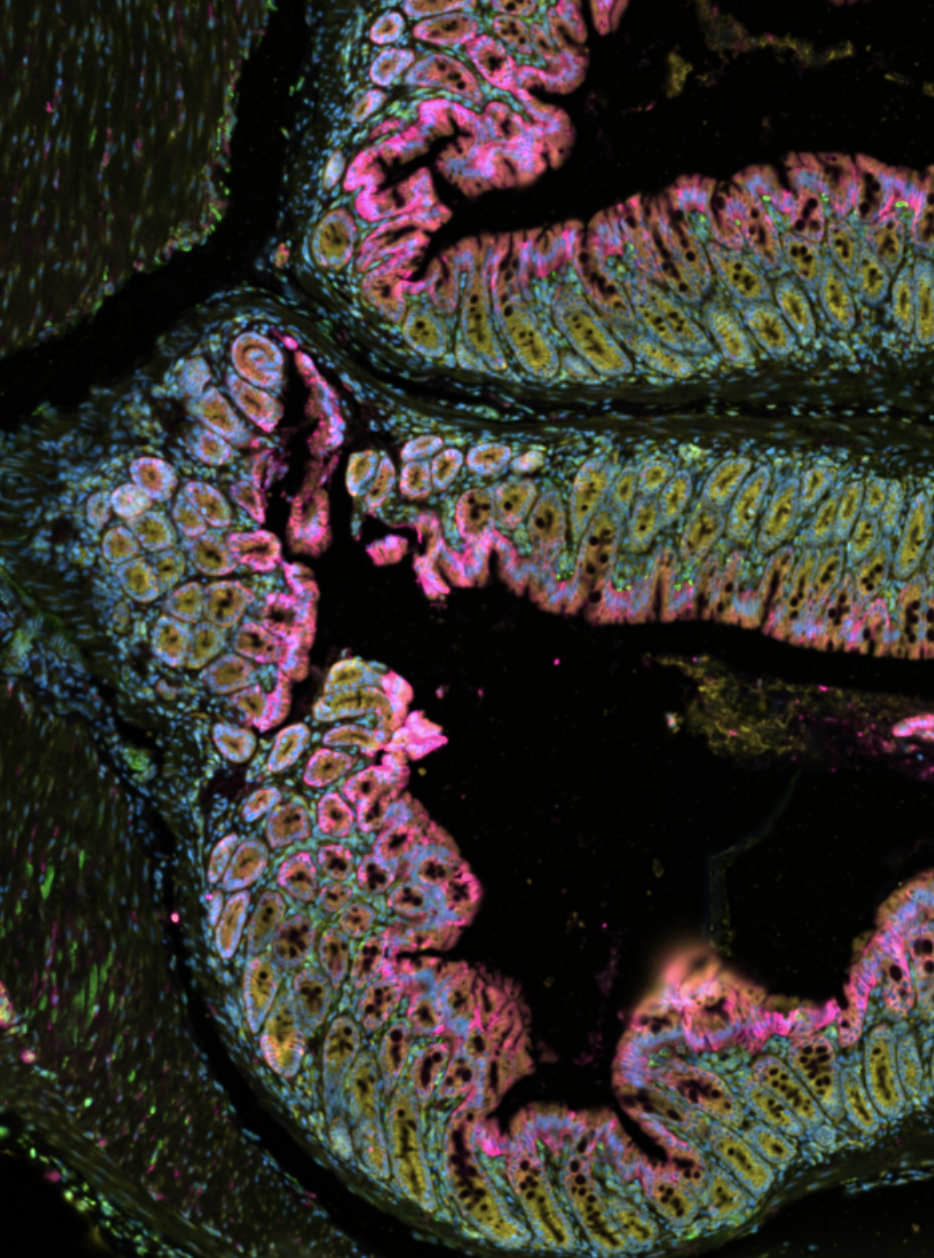
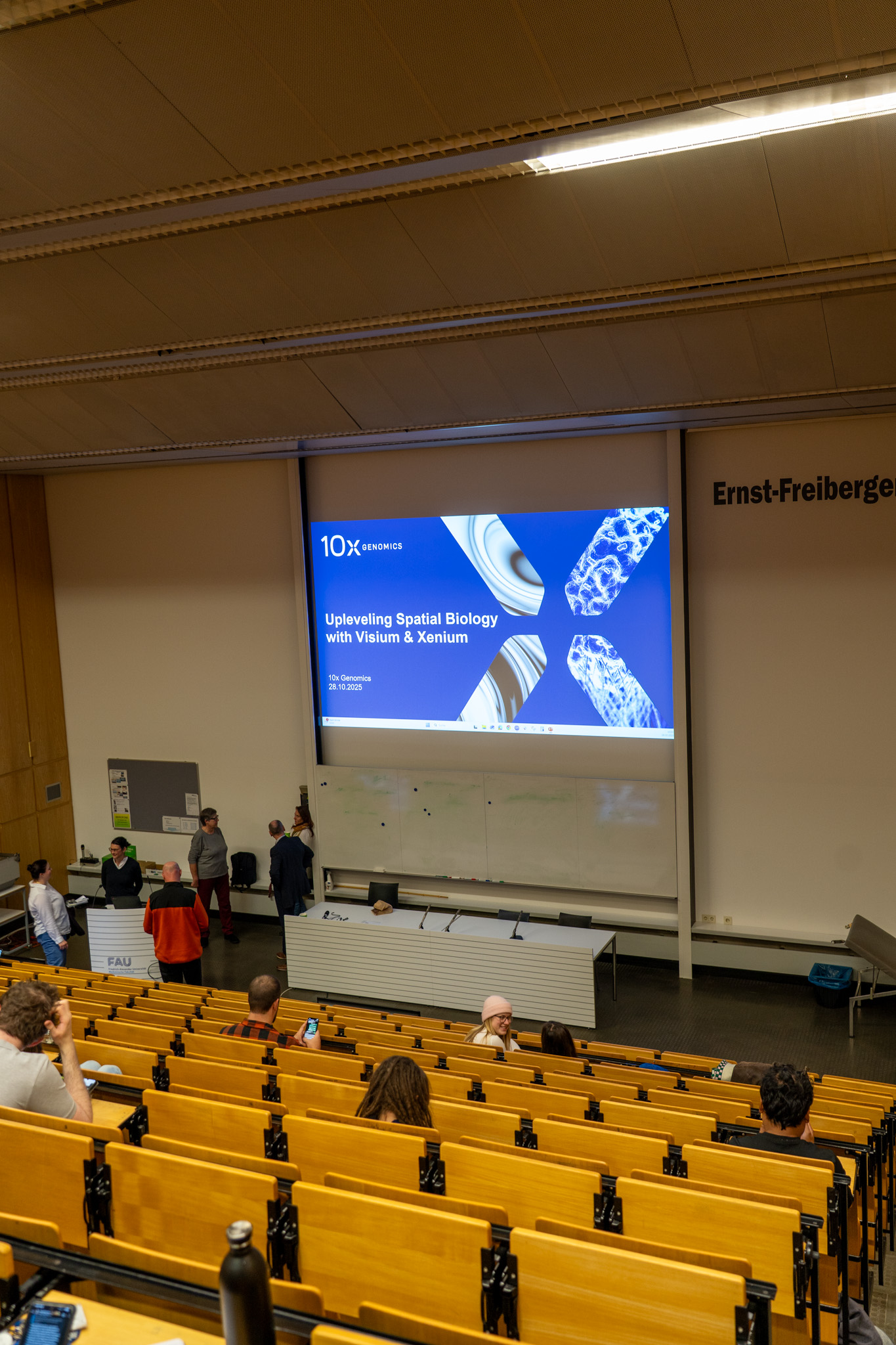
Upleveling Spatial Biology with Visium & Xenium
Together with 10x Genomics, we hosted a seminar on sequencing- and imaging-based spatial transcriptomics.
On October 28, 2025, we welcomed 10x Genomics for a seminar titled “Upleveling Spatial Biology with Visium & Xenium” at the Kleiner Hörsaal and Foyer, Ulmenweg 18, Erlangen. The event focused on how modern spatial biology technologies can help researchers gain a more complete view of tissues, from single cells to complex tissue architecture.
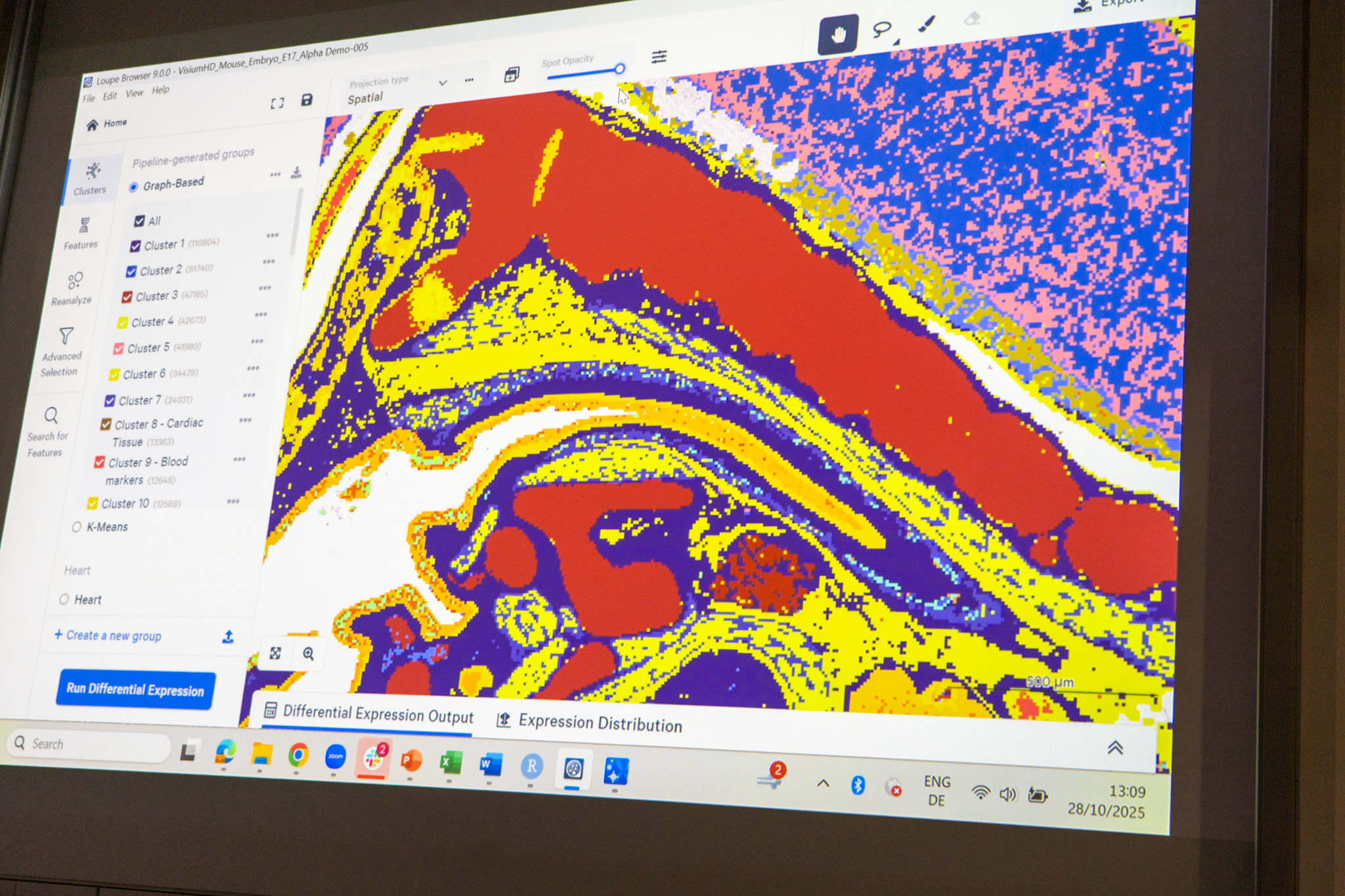
The seminar introduced the Visium Spatial and Xenium In Situ platforms and highlighted how these technologies can be used to uncover molecular insights, characterize cell-type differences, identify novel subtypes and biomarkers, and resolve spatial gene expression patterns in areas such as cancer, immunology, neuroscience, and developmental biology.
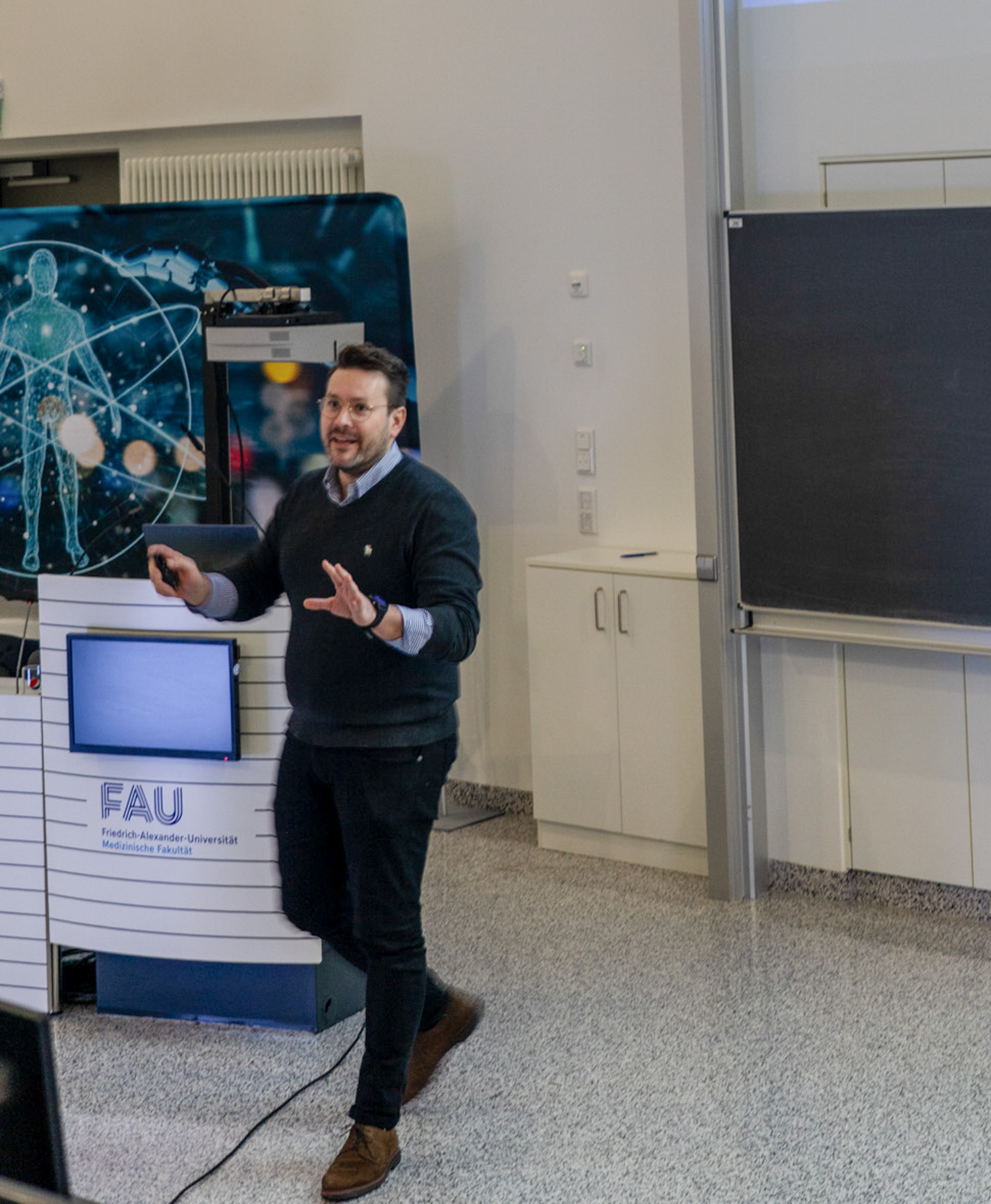
The program included technology overviews, insights into Xenium panels and customization options, practical considerations for sample preparation, and an introduction to Xenium data analysis using Xenium Explorer and beyond. The afternoon concluded with user talks, including a presentation by Prof. Dr. Dieter Henrik Heiland, who shared perspectives on applying spatial transcriptomics to translational brain tumor research.
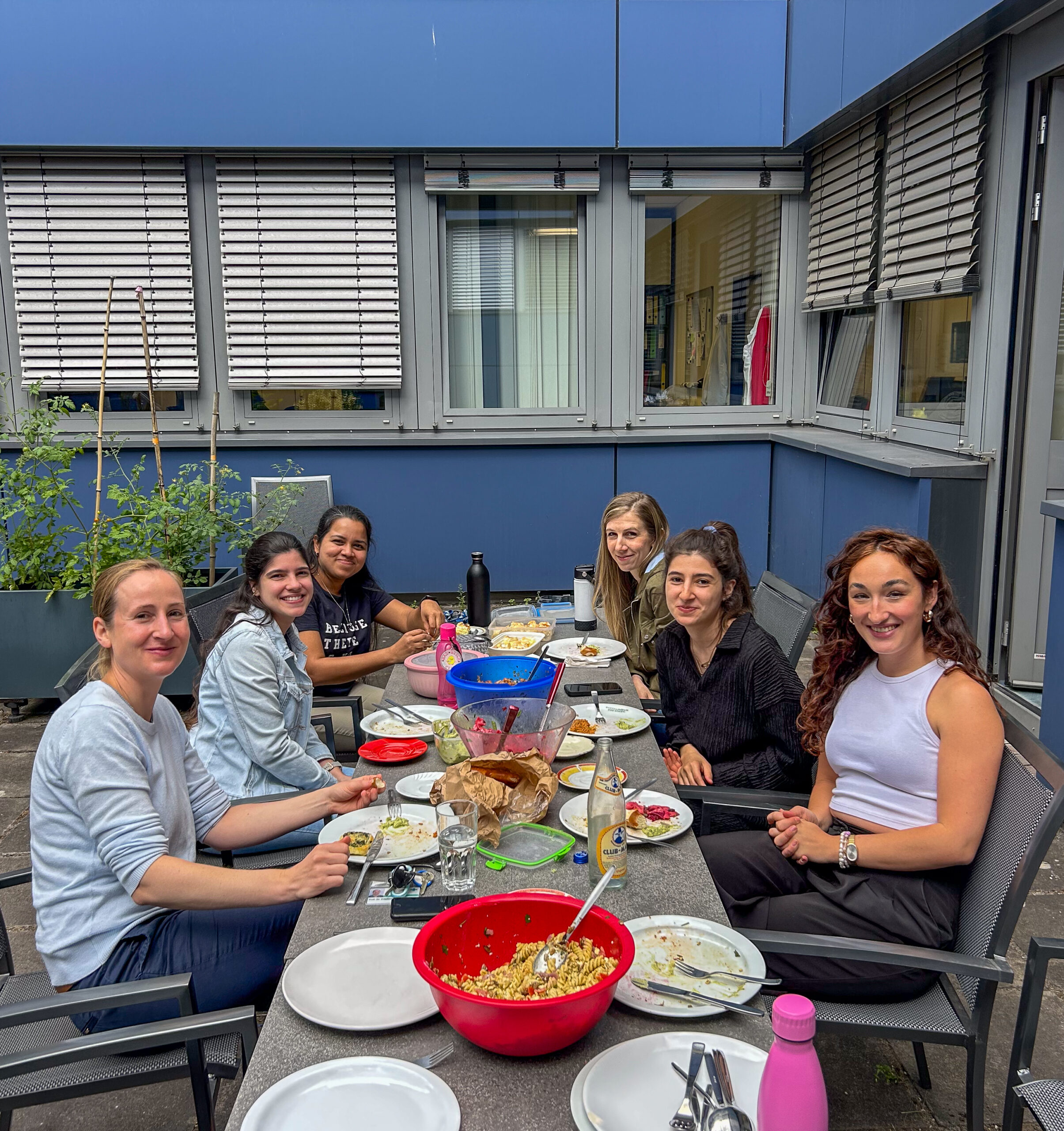
International Lab Lunch 2025
Sharing food, stories, and laughter – our group’s international Lab Lunch this year.
This year we celebrated our traditional International Lab Lunch 🎉.
Everyone in the group brought a dish from their home country or culture – from homemade sweets to savory specialties and even some fun fusion creations.
It was not only about enjoying delicious food, but also about exchanging stories, learning about different traditions, and spending time together outside the lab.
We are already looking forward to next year’s Lab Lunch 🍴🌍💛
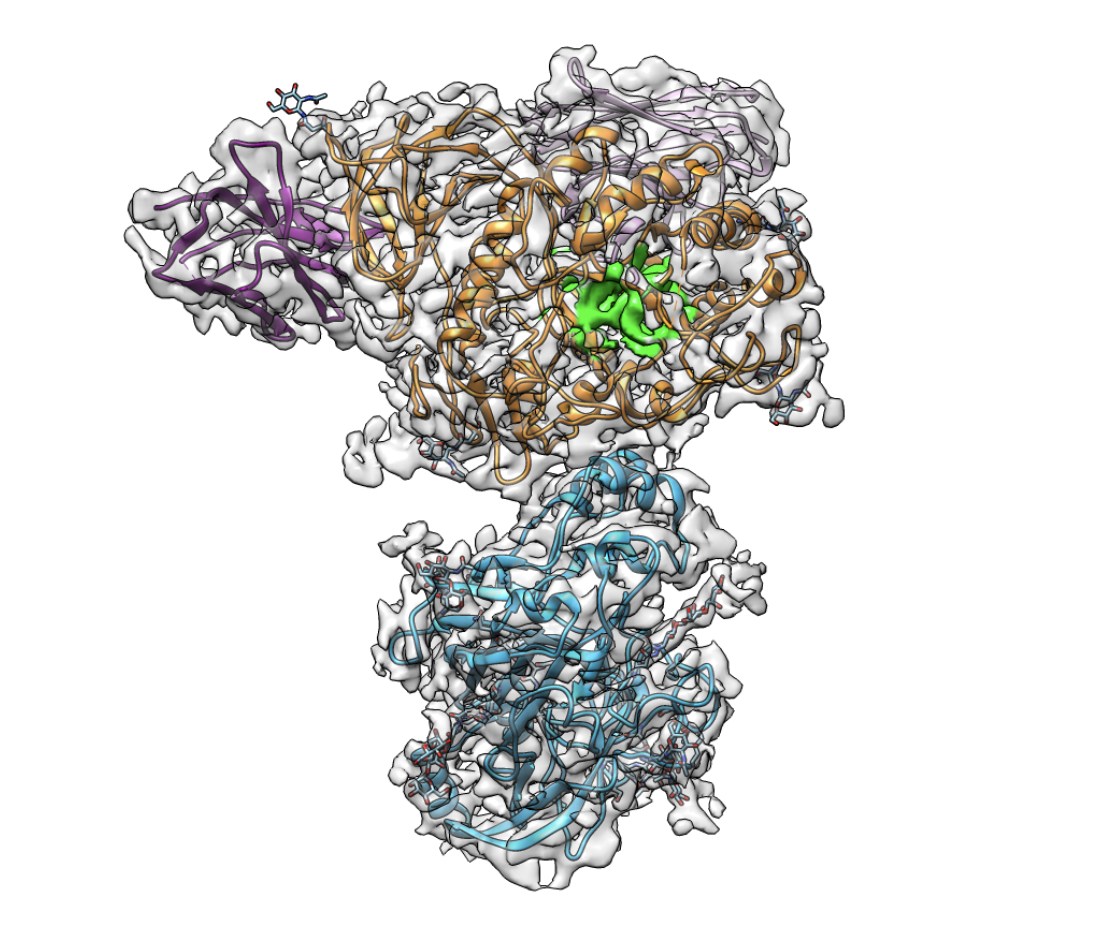
Tracking Parkinson’s with an Electron Microscope
FAU article on GCase/LIMP-2 and Parkinson’s disease.
FAU article on recent research into GCase/LIMP-2 and Parkinson’s disease.
Read the FAU article
Reviewer of the Month
Awarded “Reviewer of the Month” by mHealth.
We are delighted to have received the Reviewer of the Month recognition by mHealth.
View the recognition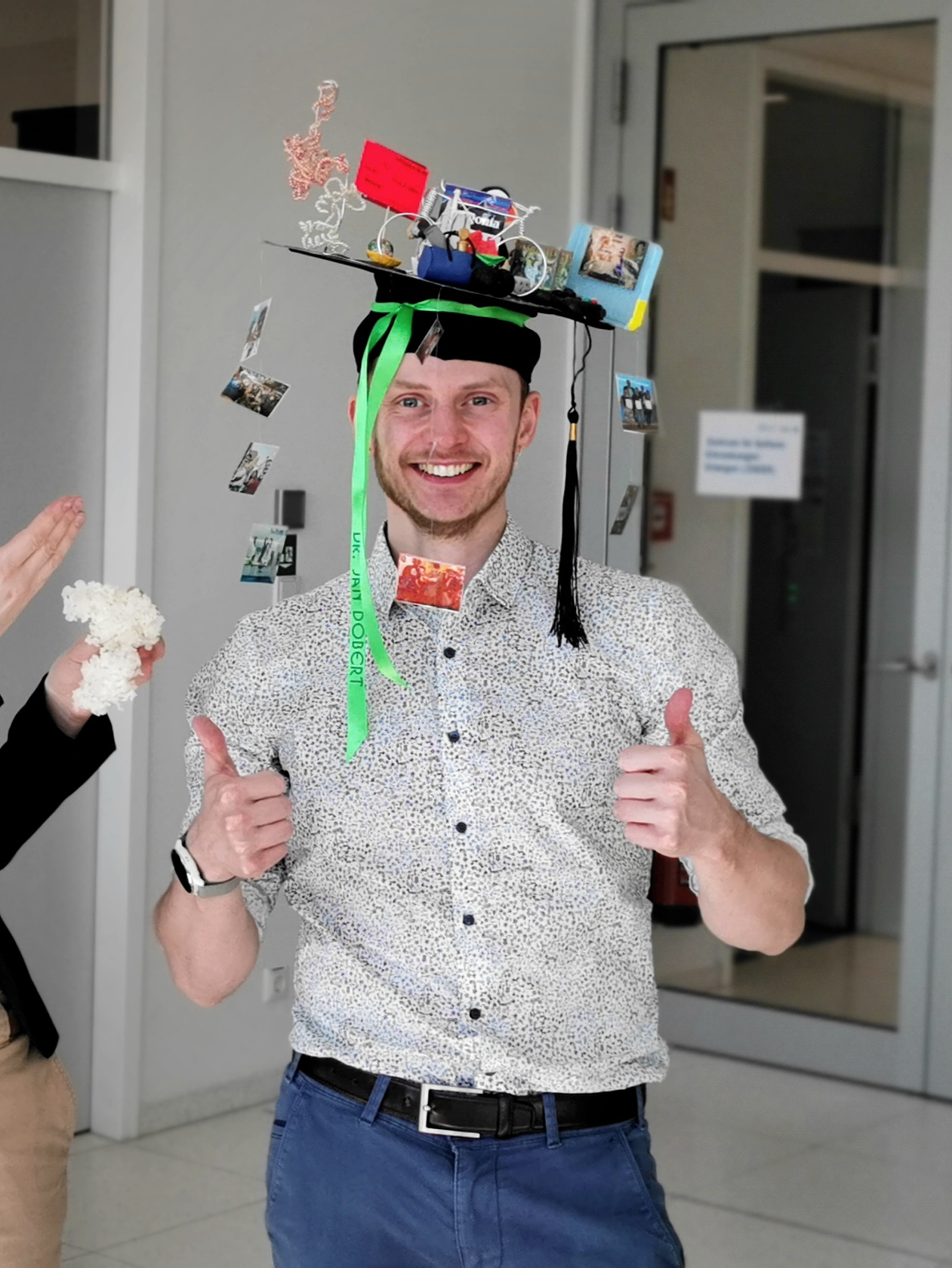
PhD Defense – Jan Philipp Dobert
We are incredibly proud to celebrate Jan Philipp Dobert’s successful PhD defense! 🎓
We are thrilled to congratulate Jan Philipp Dobert on the successful defense of his PhD thesis! 🥳
Jan has been an invaluable member of our lab — bringing dedication, creativity, and a collaborative spirit that enriched both our research and team culture.
Adding to this achievement, Jan recently published his research in Nature Communications.
Read the articleCongratulations, Jan — we couldn’t be prouder, and we are excited to see where your journey takes you next!
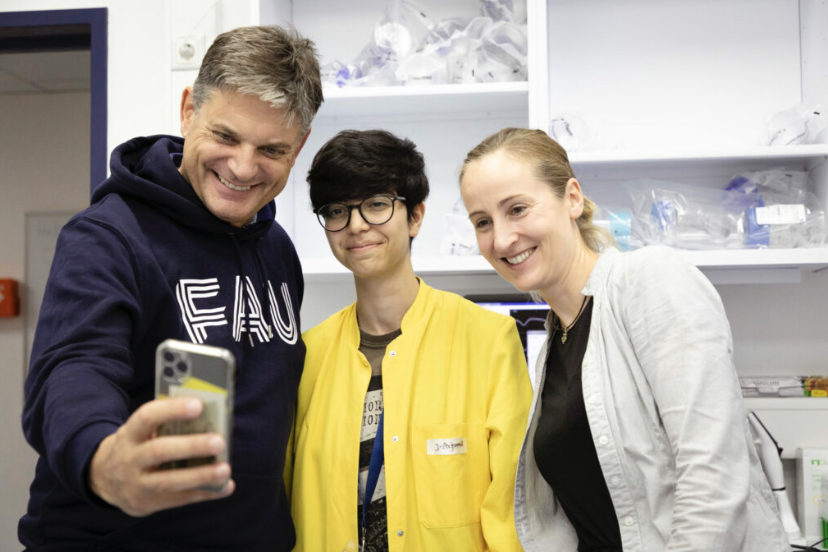
A Cup with the President – Episode 5
Interview with the FAU President about research and career paths.
Interview “A Cup with the President”.
Read the FAU interview