Current Projects
Our projects explore how lysosomal pathways, glial cell biology and extracellular vesicles contribute to neurodegeneration, inflammation and disease progression.
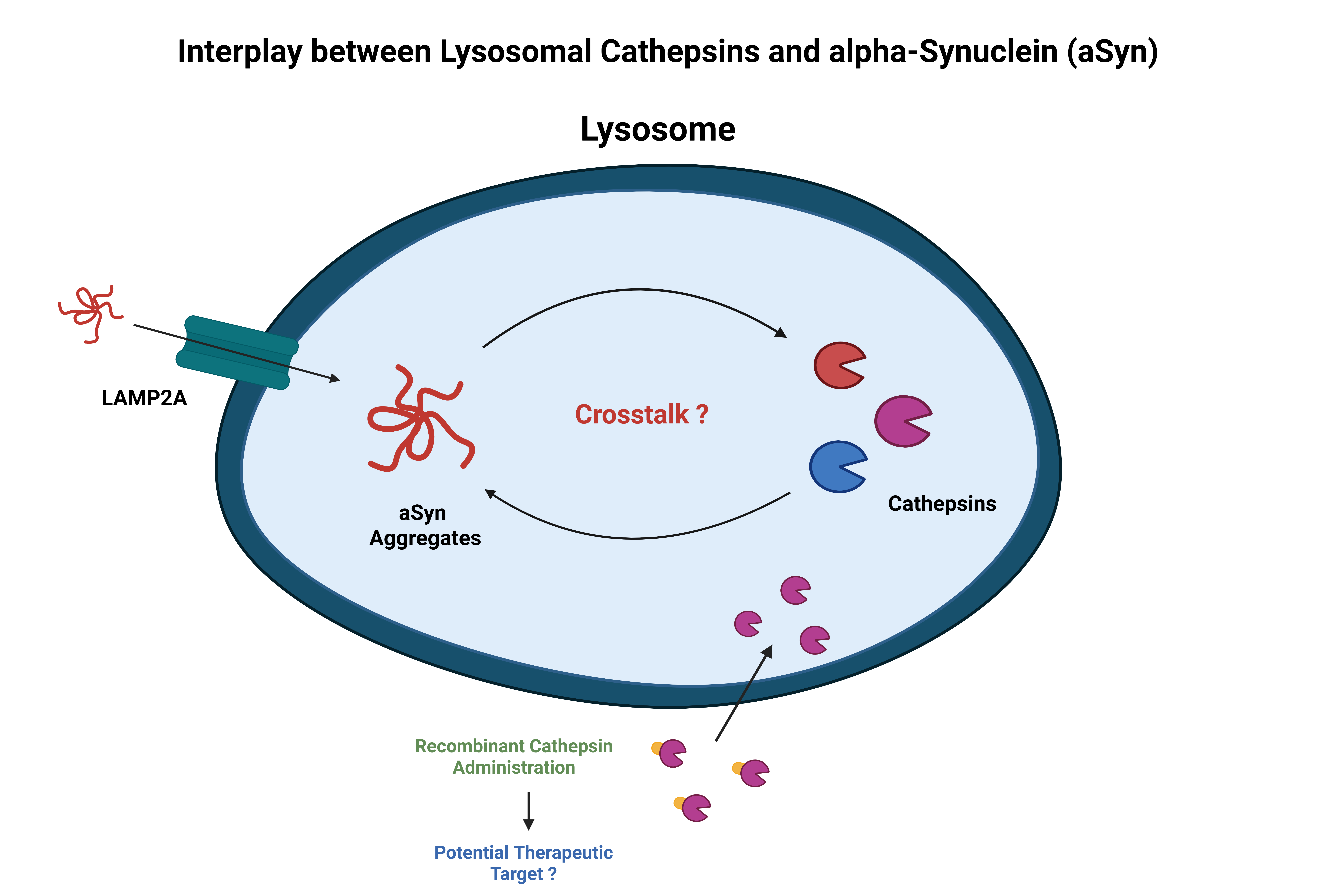
Crosstalk between lysosomal cathepsins & α-synuclein aggregation
Investigating how lysosomal cathepsins influence α-synuclein aggregation and exploring therapeutic strategies.
Lysosomal proteostasis plays a critical role in modulating α-synuclein turnover and aggregate clearance in synucleinopathies such as Parkinson’s disease and multiple system atrophy.
This project investigates the functional relationship between lysosomal proteases, particularly cathepsins, and the aggregation of α-synuclein in iPSC-derived neuronal and oligodendroglial models.
Beyond mechanistic insights, the project explores strategies to enhance lysosomal activity in a translational approach, aiming to reduce toxic protein aggregation.
AstroFinder

Exploring astrocytic roles in MS, PD, glioblastoma, epilepsy, and other pathologies.
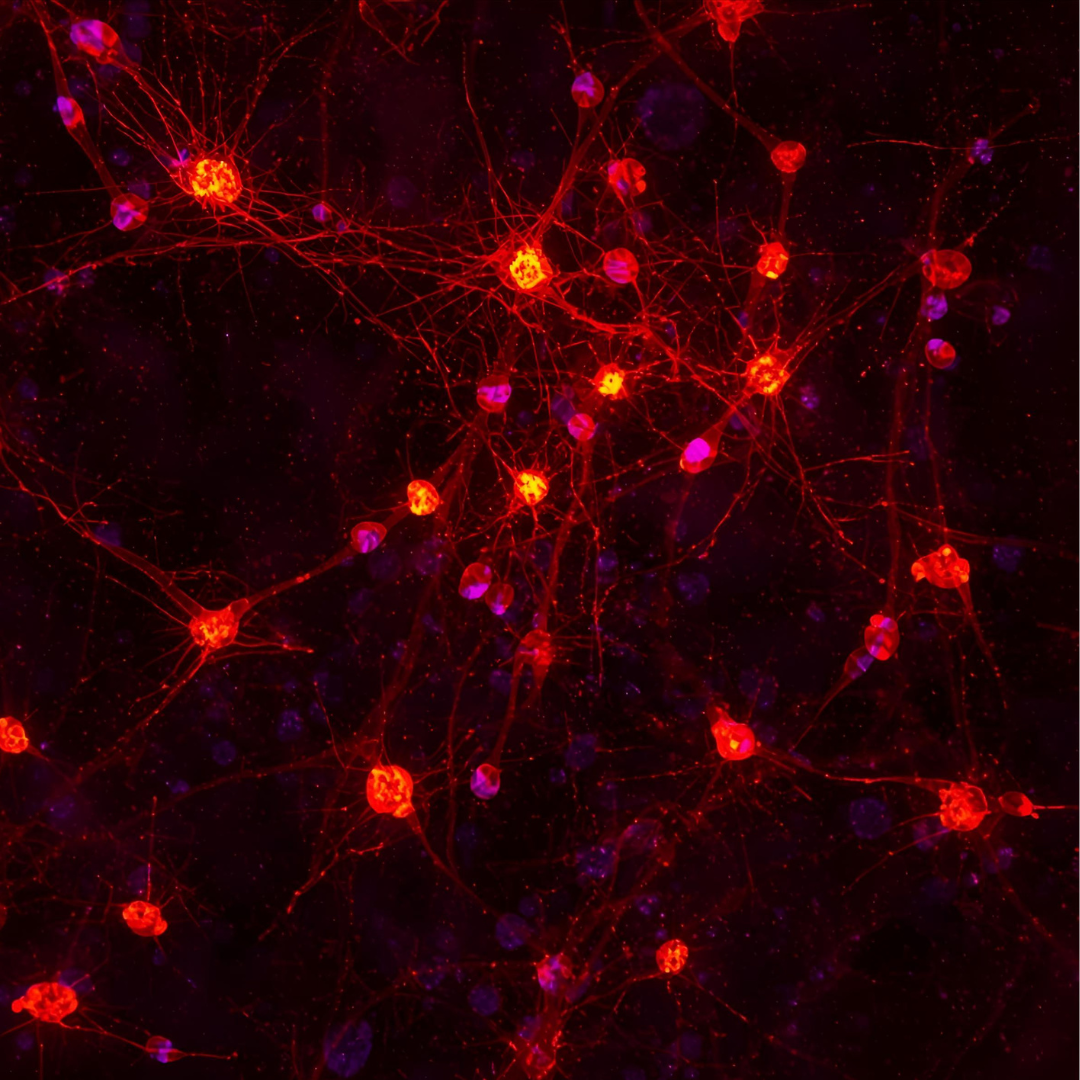
Astrocytes are among the most abundant cell types in the brain and carry out essential functions, including maintaining the blood–brain barrier, modulating dopaminergic transmission and influencing synaptic signalling.
The aim of the AstroFinder project is to elucidate the role of astrocytes across various brain pathologies, including multiple sclerosis, Parkinson’s disease, glioblastoma, epilepsy and multiple system atrophy.
By combining spatial transcriptomics, patient samples and hiPSC-derived astrocyte models, the project seeks to identify disease-associated astrocytic phenotypes and potential therapeutic targets.
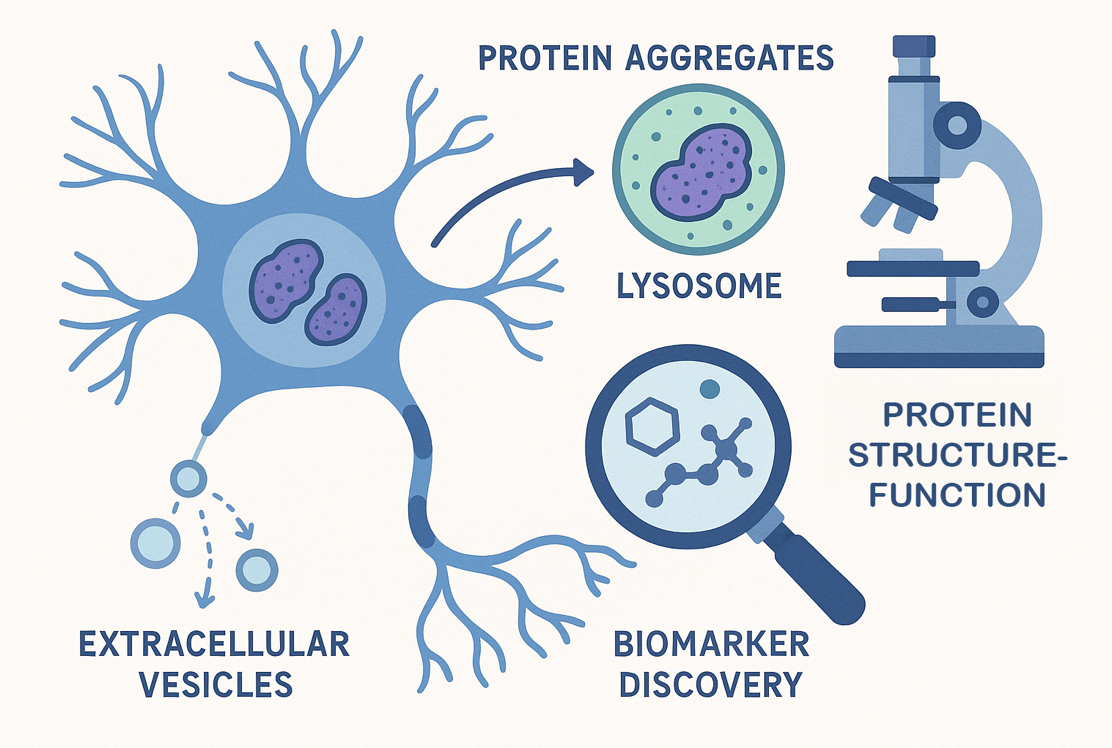
Biomarker discovery in Parkinson’s disease
Using extracellular vesicles and iPSC-derived neurons to uncover early diagnostic markers.
This project tackles Parkinson’s disease from two complementary angles: understanding molecular mechanisms of disease pathogenesis and identifying biomarkers for early and accurate diagnosis.
Induced pluripotent stem cell–derived dopaminergic neuron models are used to study how α-synuclein accumulation affects lysosomal processes and how these alterations can be restored.
A central focus lies on extracellular vesicles. Their protein and RNA content in accessible biofluids such as blood and saliva is analyzed to detect disease-specific alterations and translationally relevant targets.
hiPSC-Based Disease Modeling
Human induced pluripotent stem cells (hiPSCs) allow us to model human brain cell types in vitro and investigate disease-relevant mechanisms in patient-specific cellular systems.
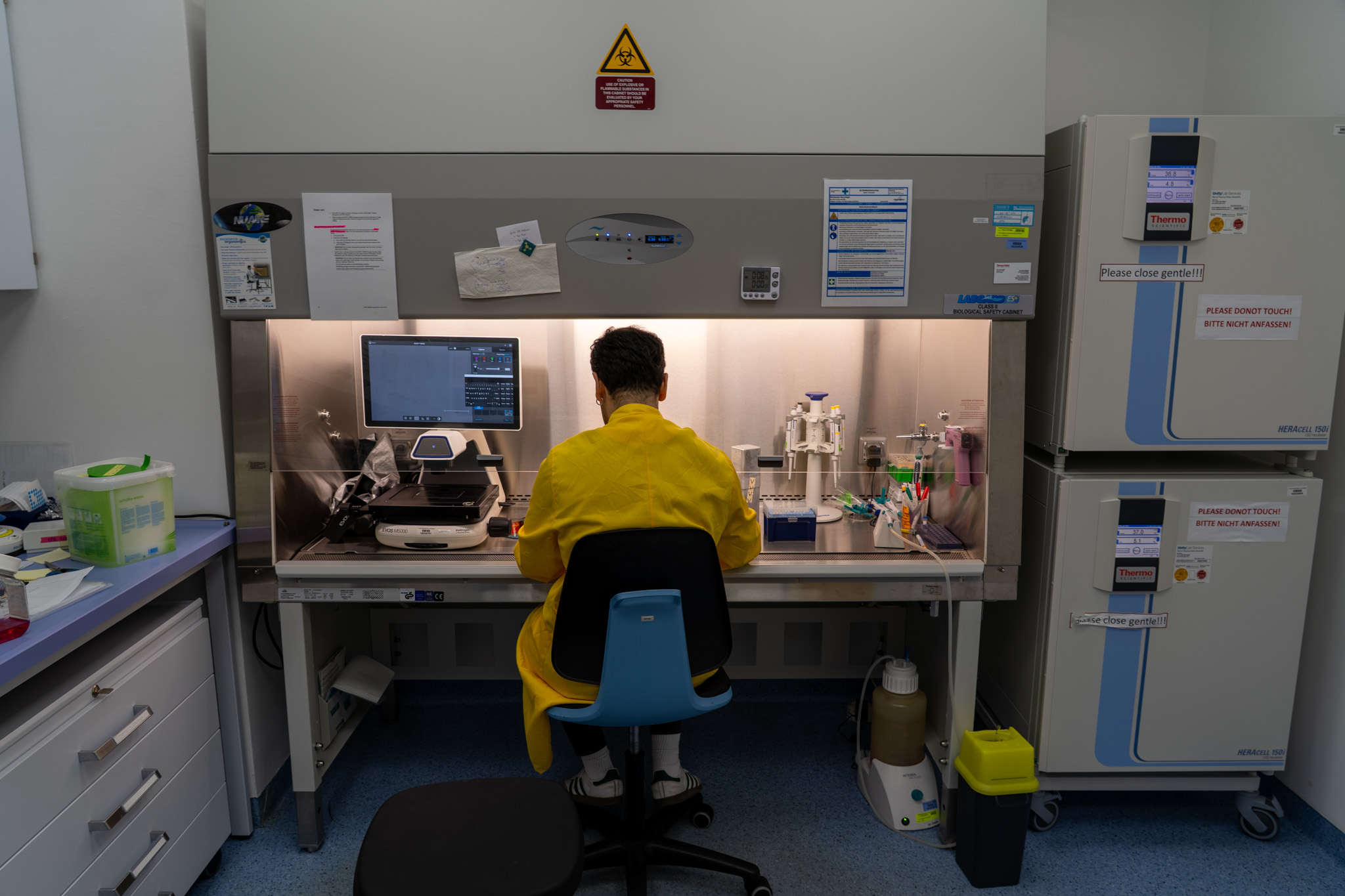
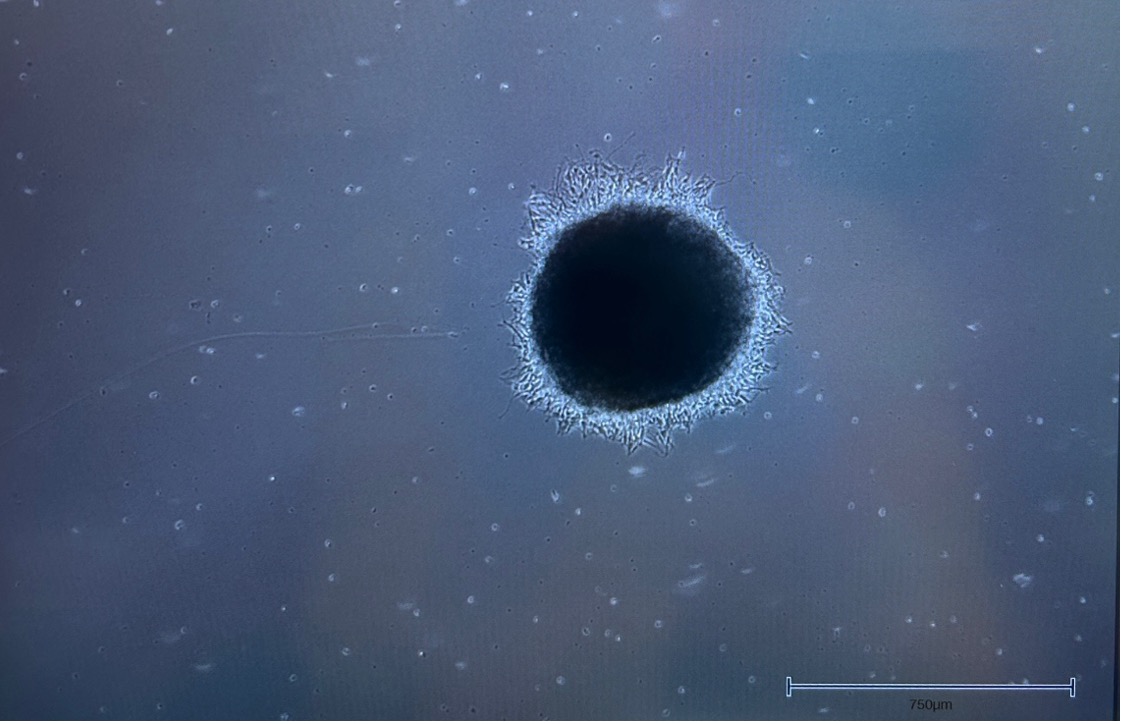

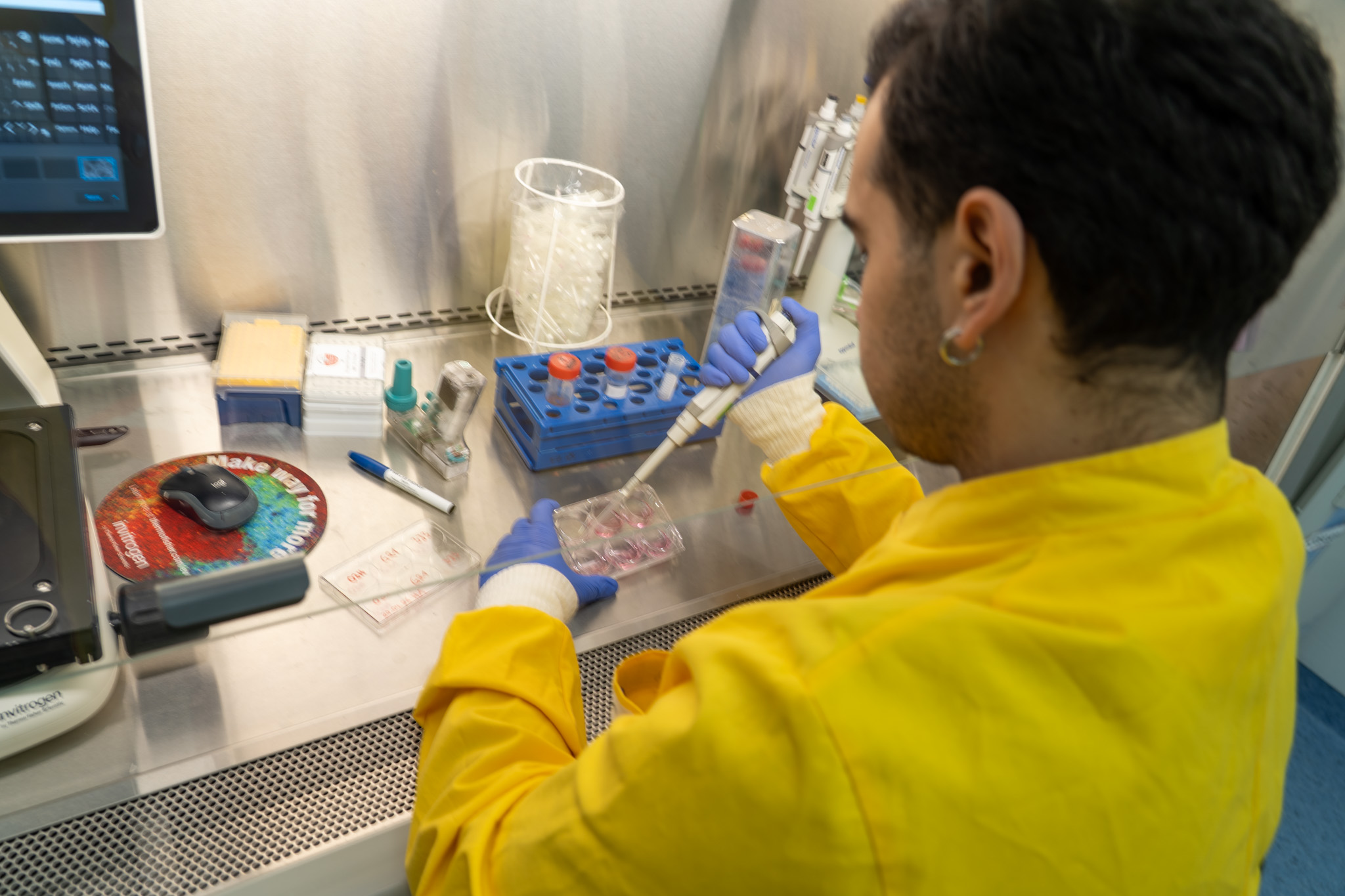
From stem cells to disease-relevant brain cell models
Generating dopaminergic neurons and astrocytes from human induced pluripotent stem cells to study neurodegenerative disease mechanisms.
Human induced pluripotent stem cells, or hiPSCs, are adult human cells that have been reprogrammed into a stem cell-like state. This enables them to give rise to different cell types of the human body, including disease-relevant brain cells.
In our lab, hiPSCs are maintained under controlled cell culture conditions and differentiated into specialized neural cell types. Using defined differentiation protocols, we generate dopaminergic neurons over a period of approximately 90 days.
These long-term cultures allow the cells to acquire mature neuronal features and provide a human model system to study mechanisms relevant to Parkinson’s disease and related neurodegenerative disorders.
In addition to neuronal cultures, we also differentiate hiPSCs into astrocytes, enabling us to investigate neuron–glia interactions, inflammatory responses and disease-associated cellular phenotypes.

Collaboration and Project Partners
Our research is strengthened through collaborations with clinical, scientific, and translational partners.