Exploring cellular pathways in neurodegeneration
The Zunke Lab investigates how lysosomal function, protein aggregation, extracellular vesicles and glial cell biology contribute to neurodegenerative diseases such as Parkinson’s disease. Our goal is to uncover disease mechanisms and translate these findings into new diagnostic and therapeutic strategies.

What are EVs?
Extracellular vesicles are small particles released by cells that carry proteins, RNA and other molecular signals. We study how EVs can reflect disease-related changes and serve as potential biomarkers for Parkinson’s disease.
Mechanisms of cathepsins
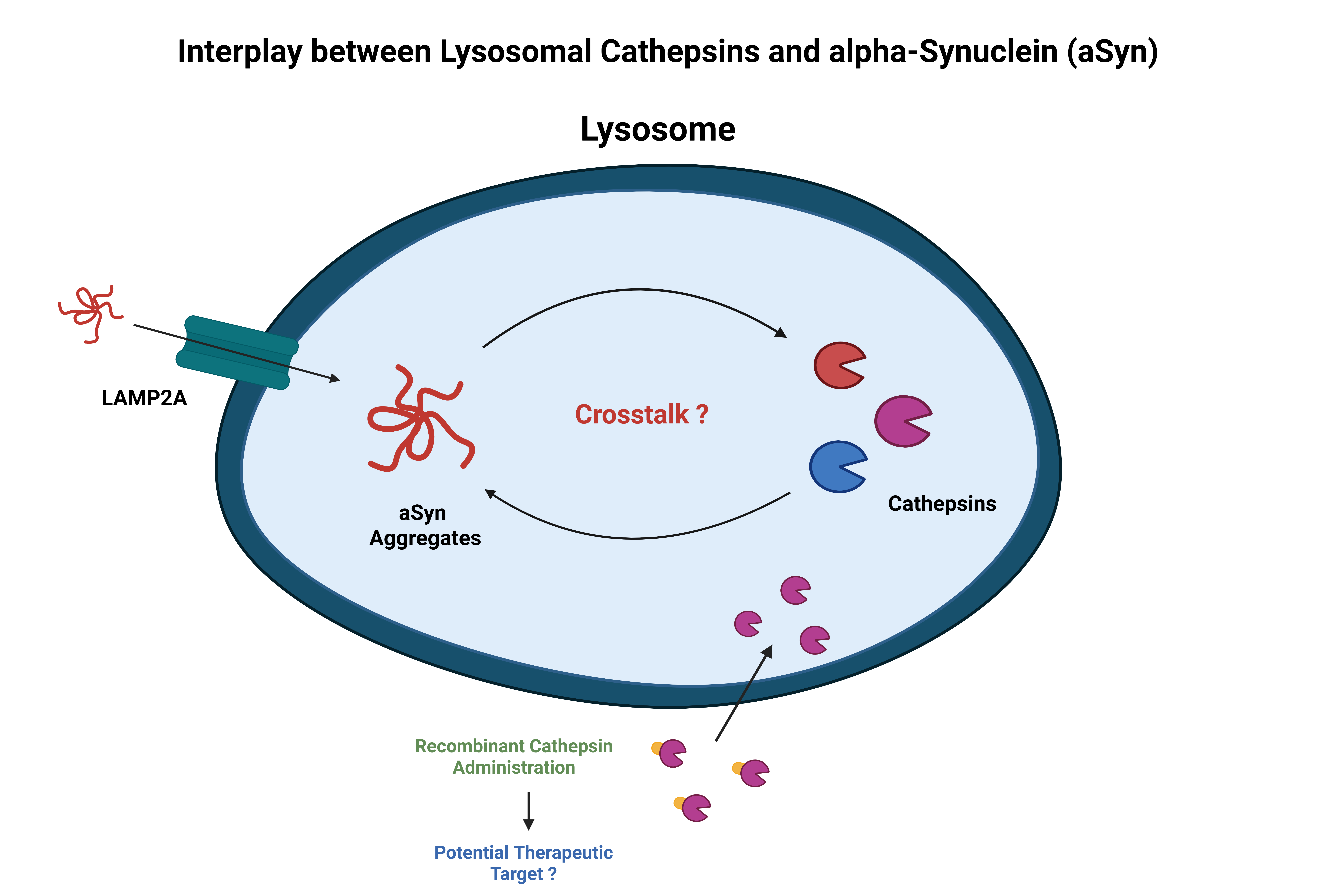
Cathepsins are lysosomal proteases that help degrade and clear cellular proteins. We investigate how these enzymes influence α-synuclein turnover and whether enhancing lysosomal activity can reduce toxic protein aggregation.
Glial cells & neuroinflammation
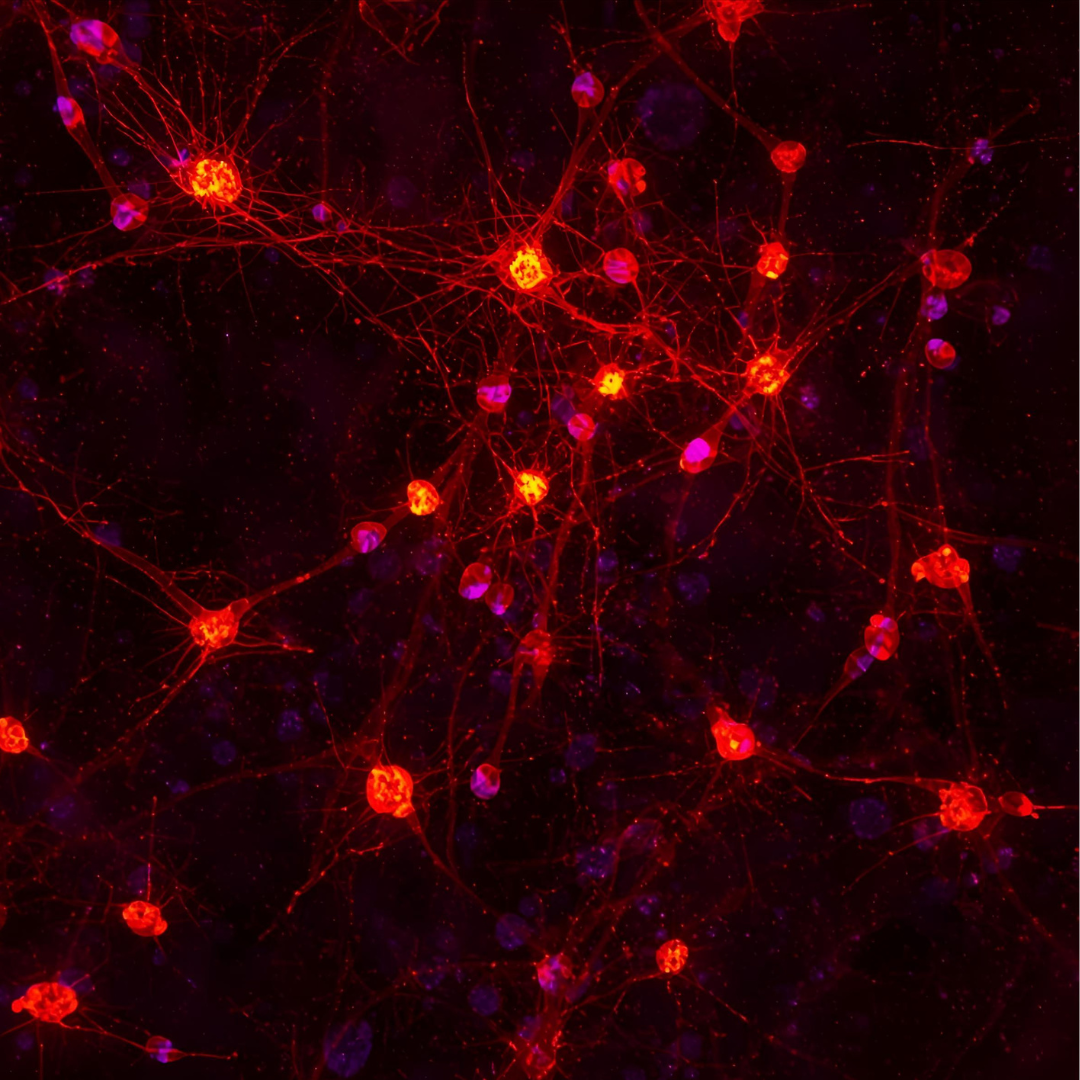
Astrocytes and other glial cells play key roles in brain homeostasis, inflammation and neuronal support. We explore how glial responses change during disease and whether they can become therapeutic targets.
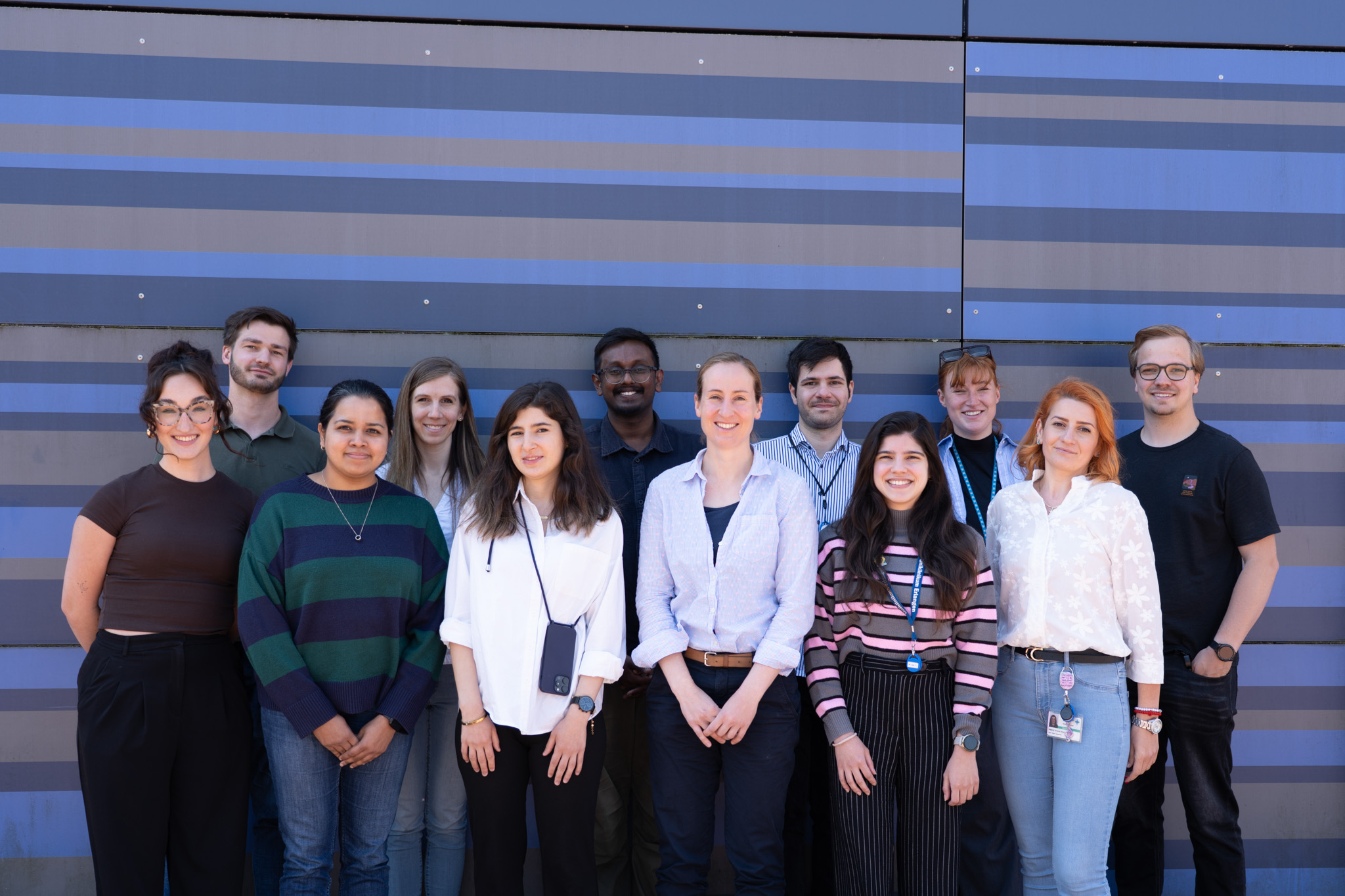
Science is collaborative
Our interdisciplinary and international team combines expertise in cell biology, neuroscience, molecular medicine and translational research to better understand neurodegenerative disease mechanisms.
Us doing research-ish things
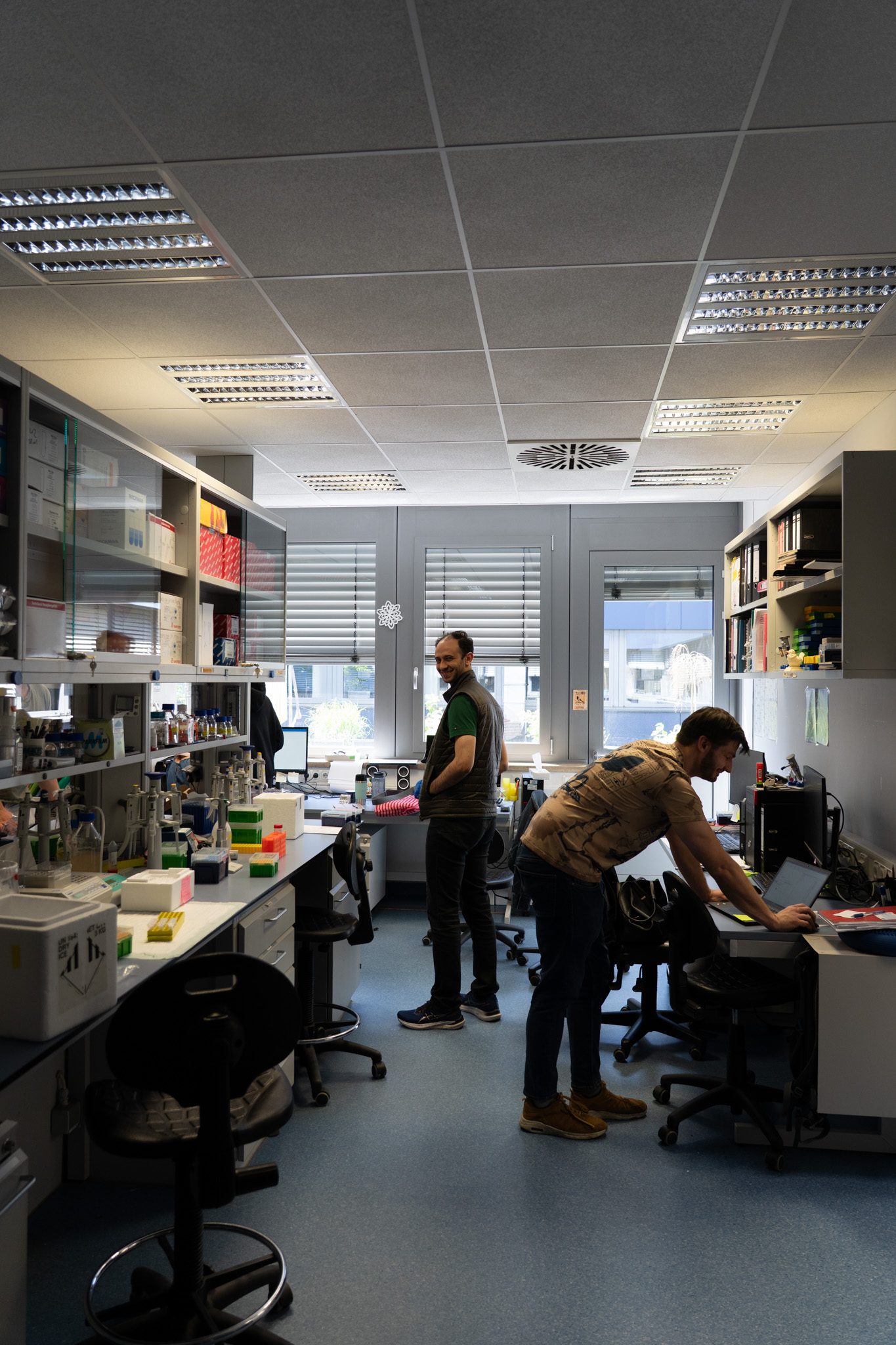
Advancing research through teamwork and expertise.

Experimental work and scientific exchange.
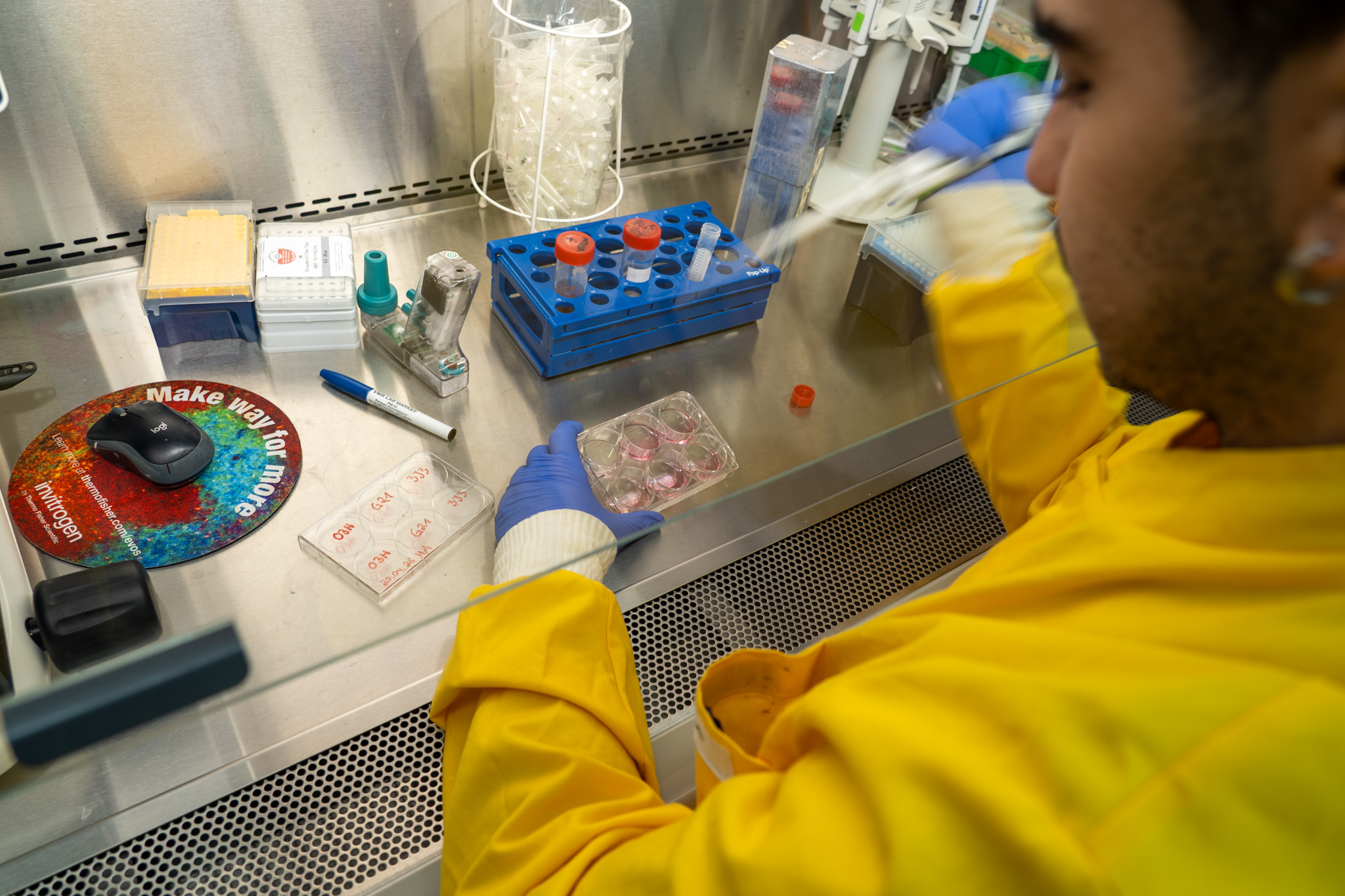
Hands-on research in cellular and molecular biology.
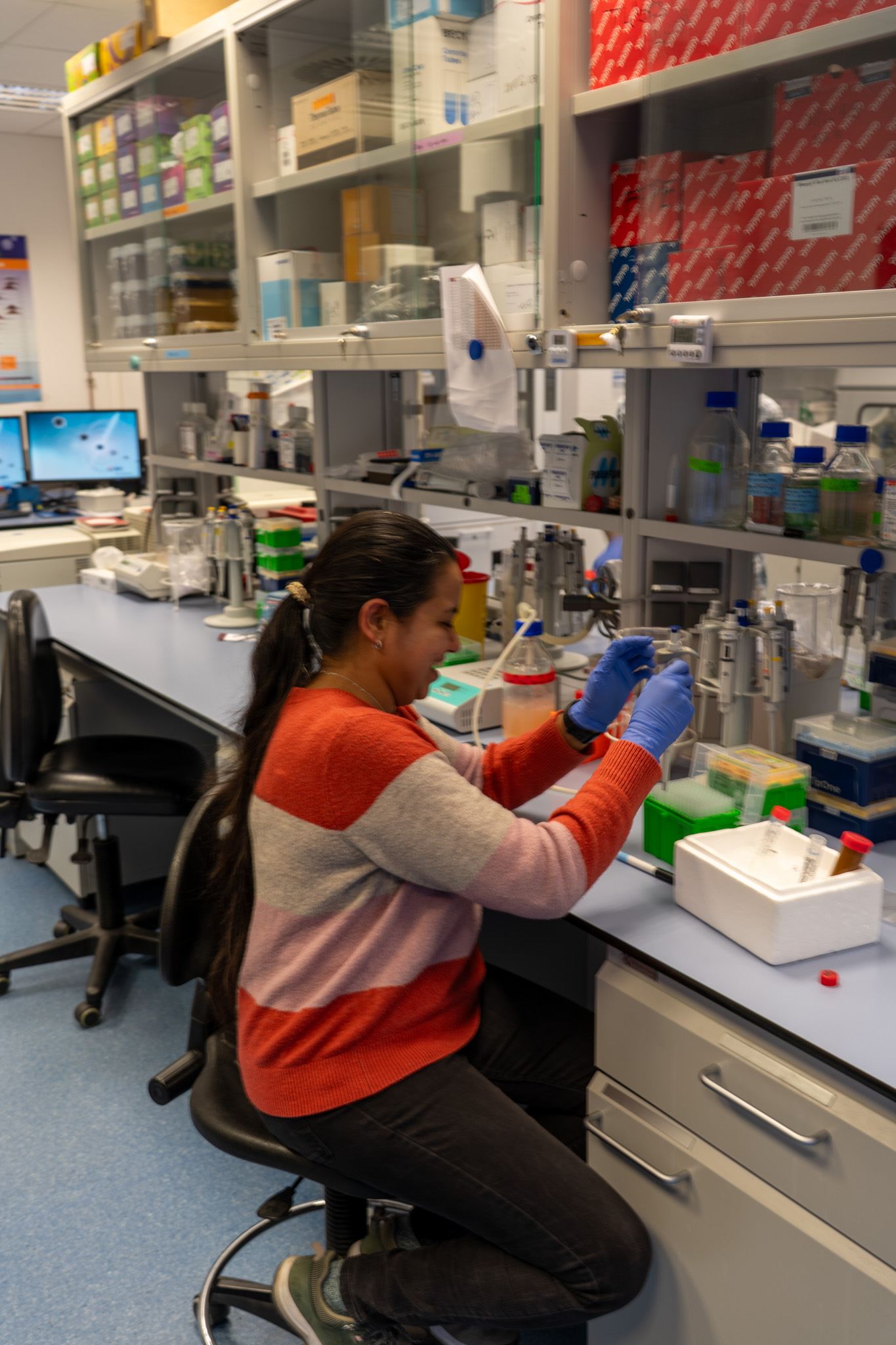
Laboratory-based research.
Collaboration and Project Partners
Our research is strengthened through collaborations with clinical, scientific, and translational partners.